AI has become one of the key themes underpinning current M&A activity, with AI‑related transactions representing a meaningful share of megadeals, see chart below.
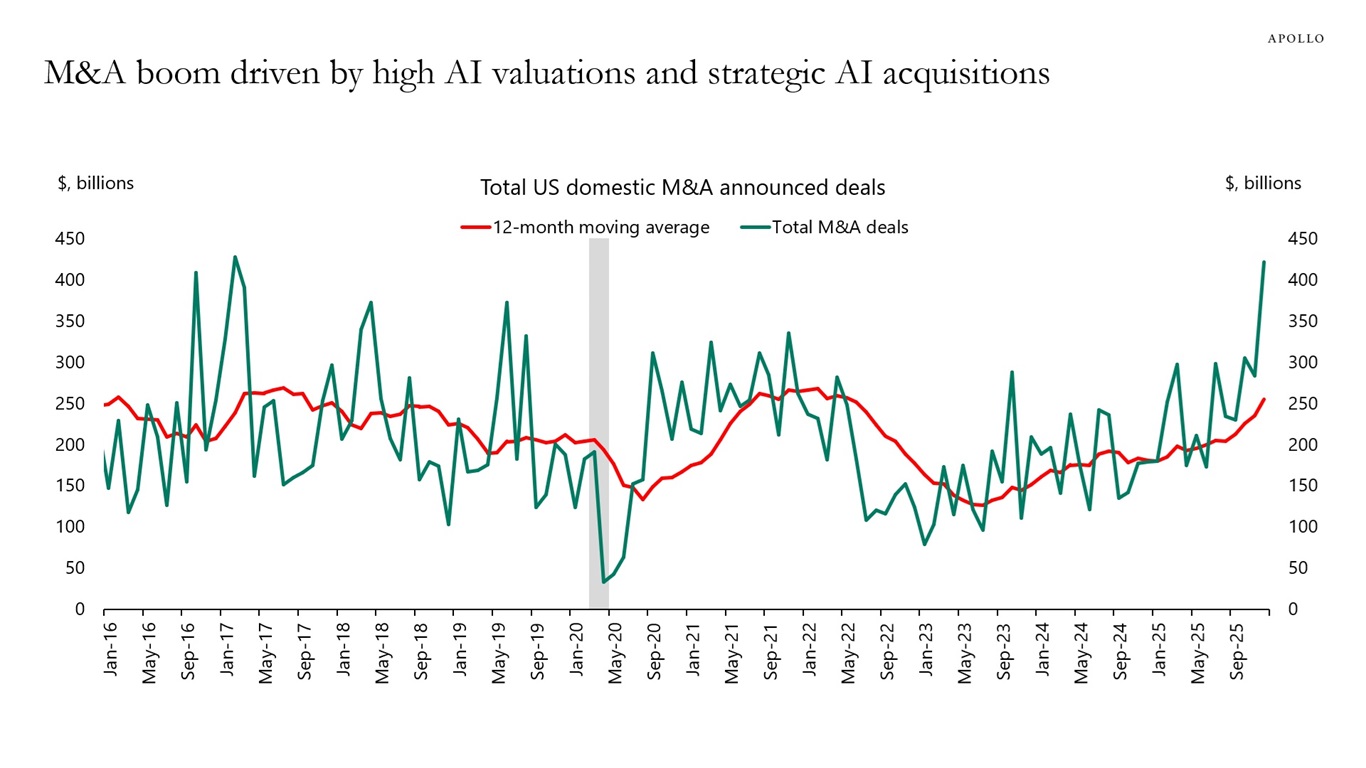


AI has become one of the key themes underpinning current M&A activity, with AI‑related transactions representing a meaningful share of megadeals, see chart below.
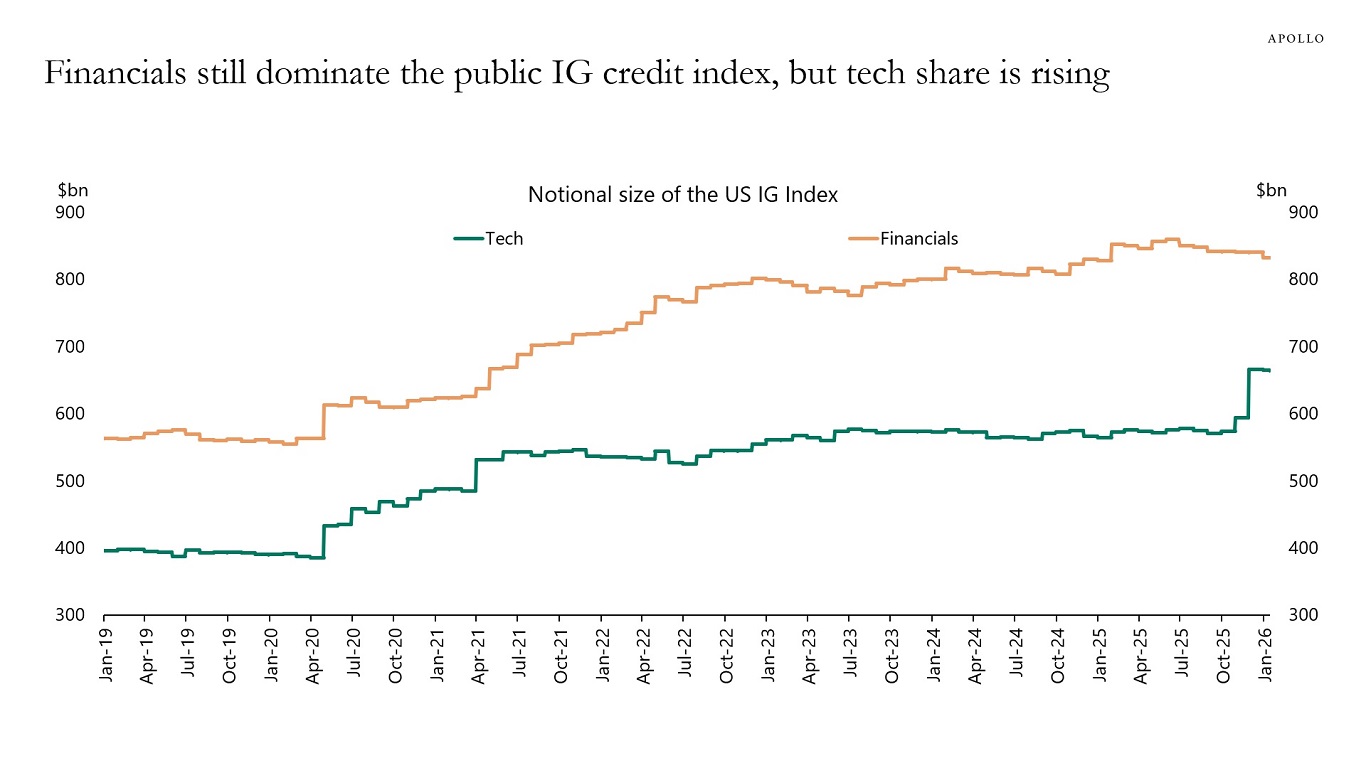
For many years, the investment grade credit index has been dominated by banks. But that is changing as hyperscalers take on more debt and become a larger share of the index, see chart below.

In this episode of The View From Apollo, we introduce Convergence, a new recurring series featuring a running conversation about the evolution and integration of public and private credit markets. In today’s show, our hosts Brian Weinstein and John Cortese ask if the convergence of public and private represents the biggest shift in credit market history and discuss what these changes can mean for portfolios and investors.
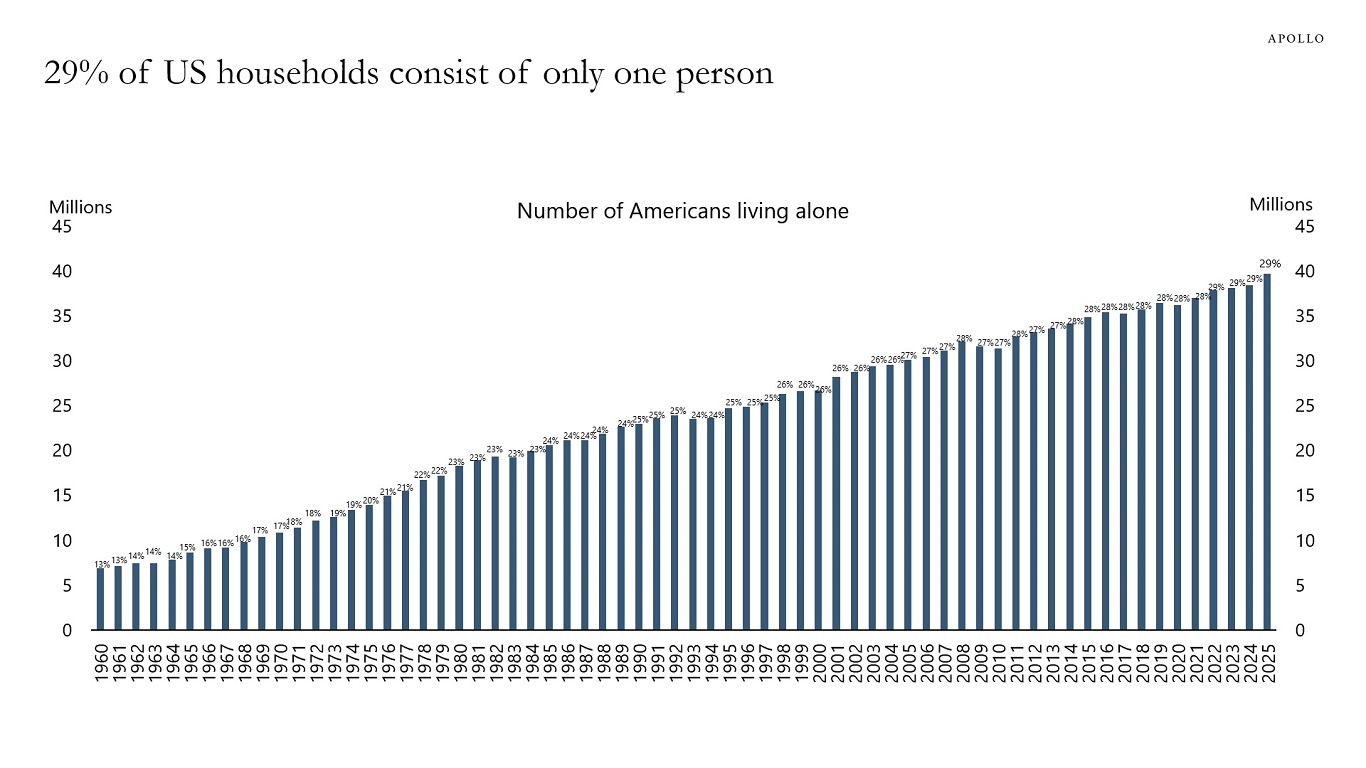
The proportion of US households composed of a single individual continues to rise, see chart below.
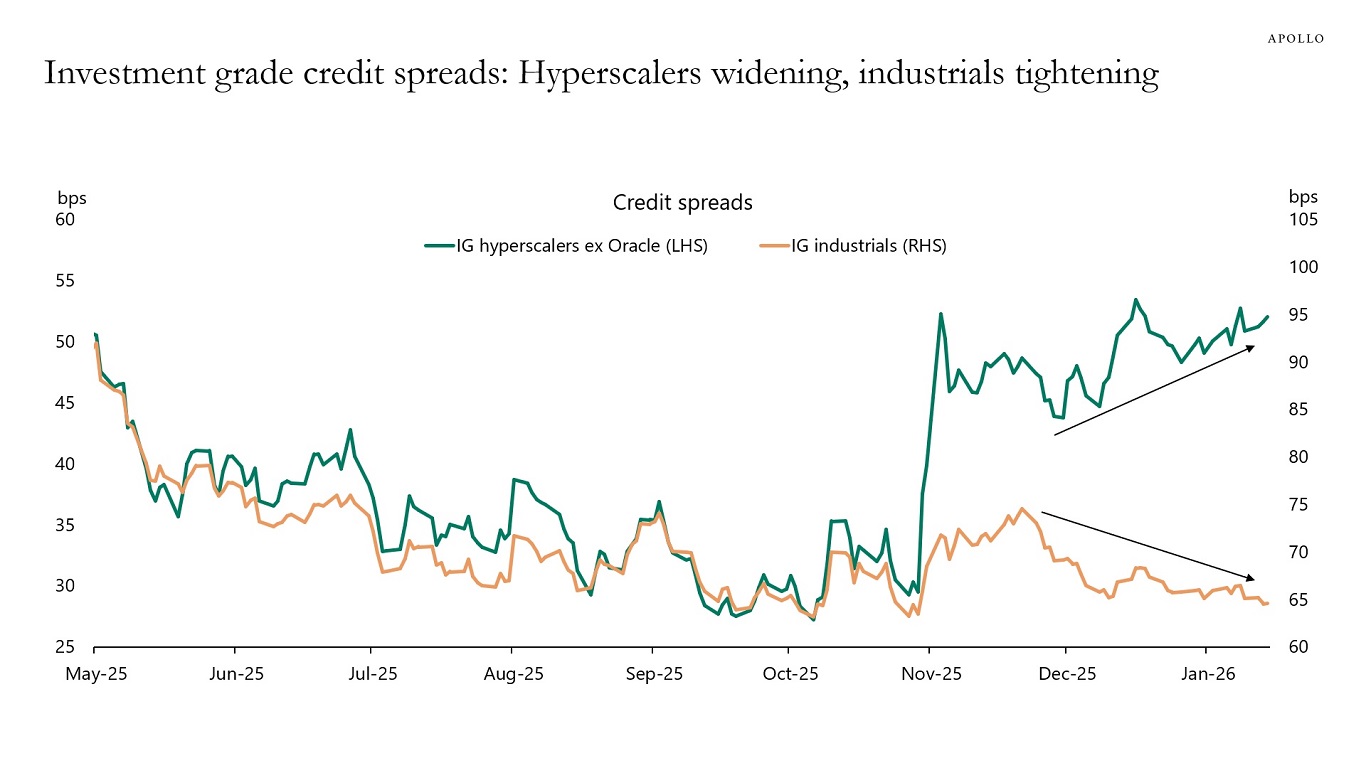
Investment grade credit spreads are widening for hyperscalers and tightening for industrials, see chart below.
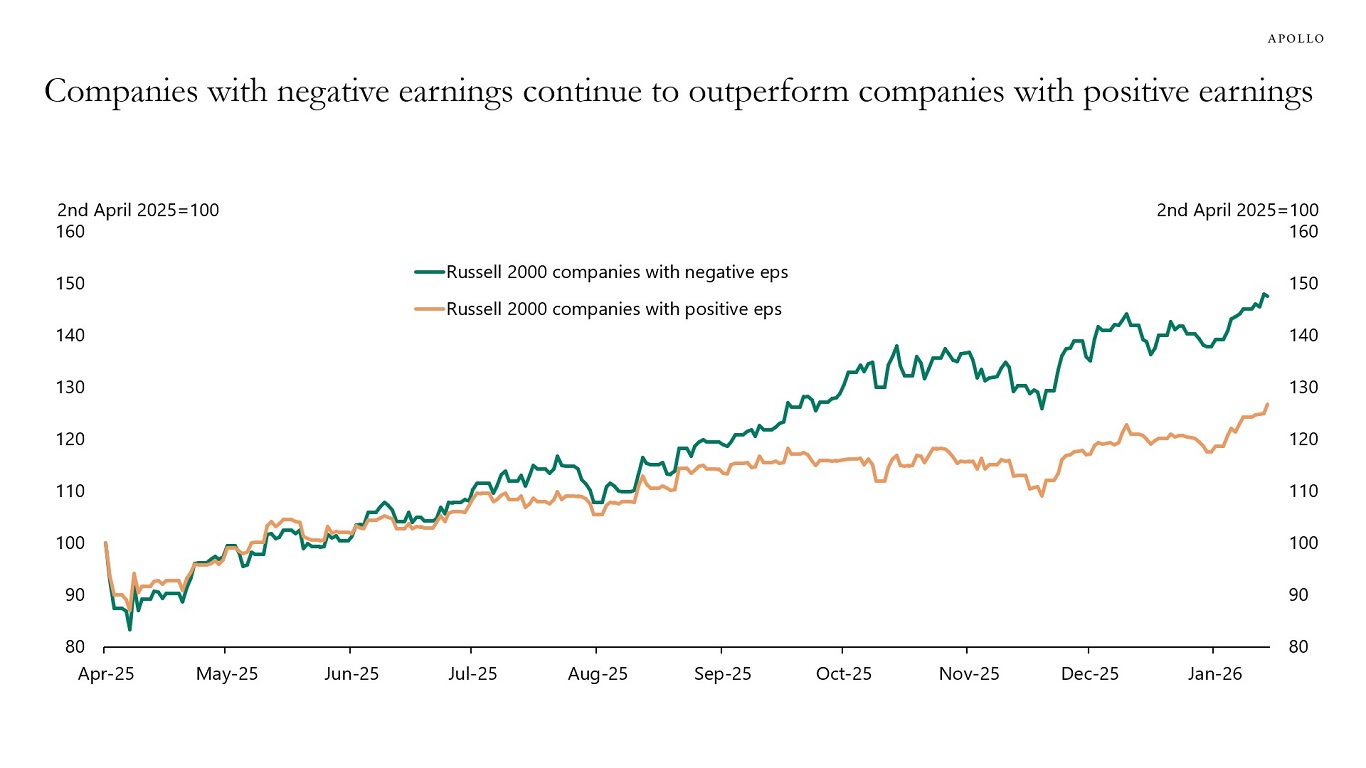
Stock prices of companies with negative earnings continue to outperform stock prices of companies with positive earnings, see chart below.
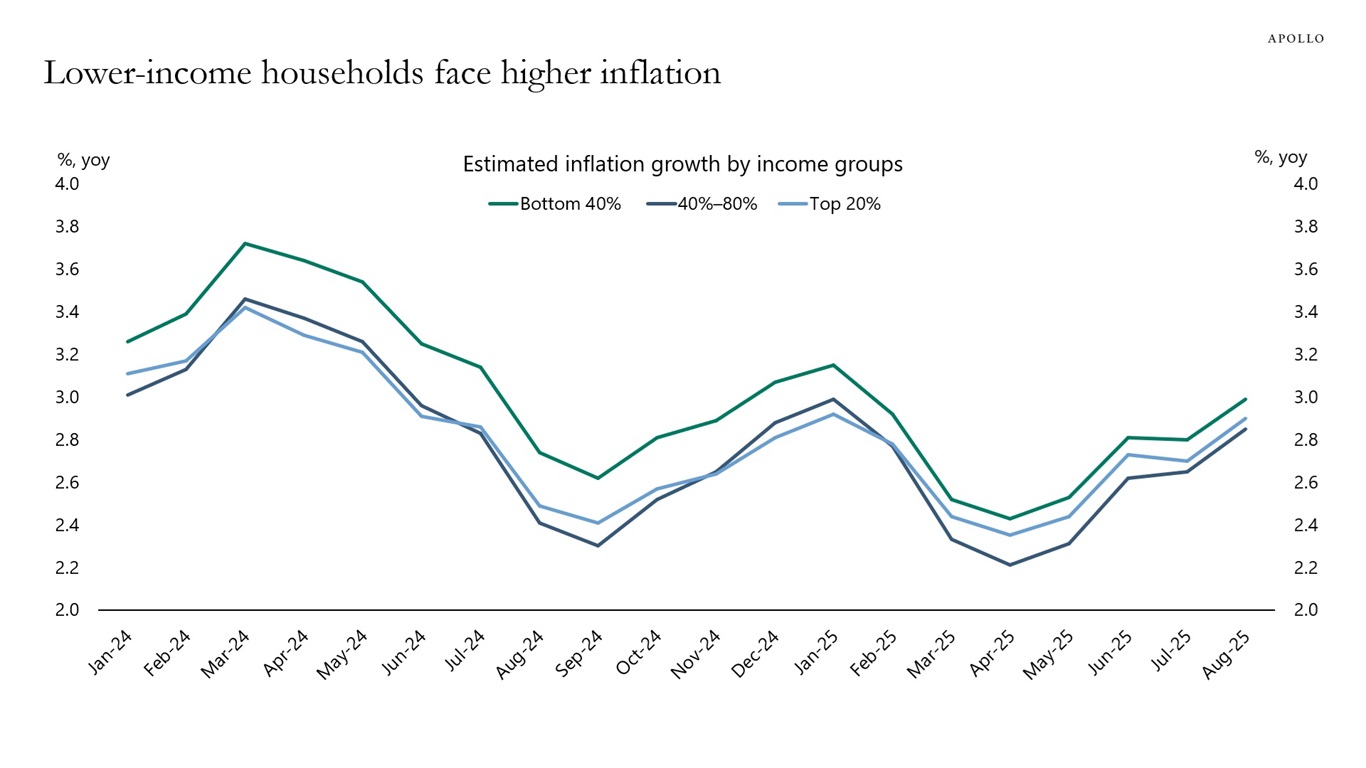
Data from the Fed shows that lower-income households are experiencing higher inflation because their consumer spending baskets place greater weight on categories like rent, electricity, food, transportation and other necessities whose prices have risen faster.
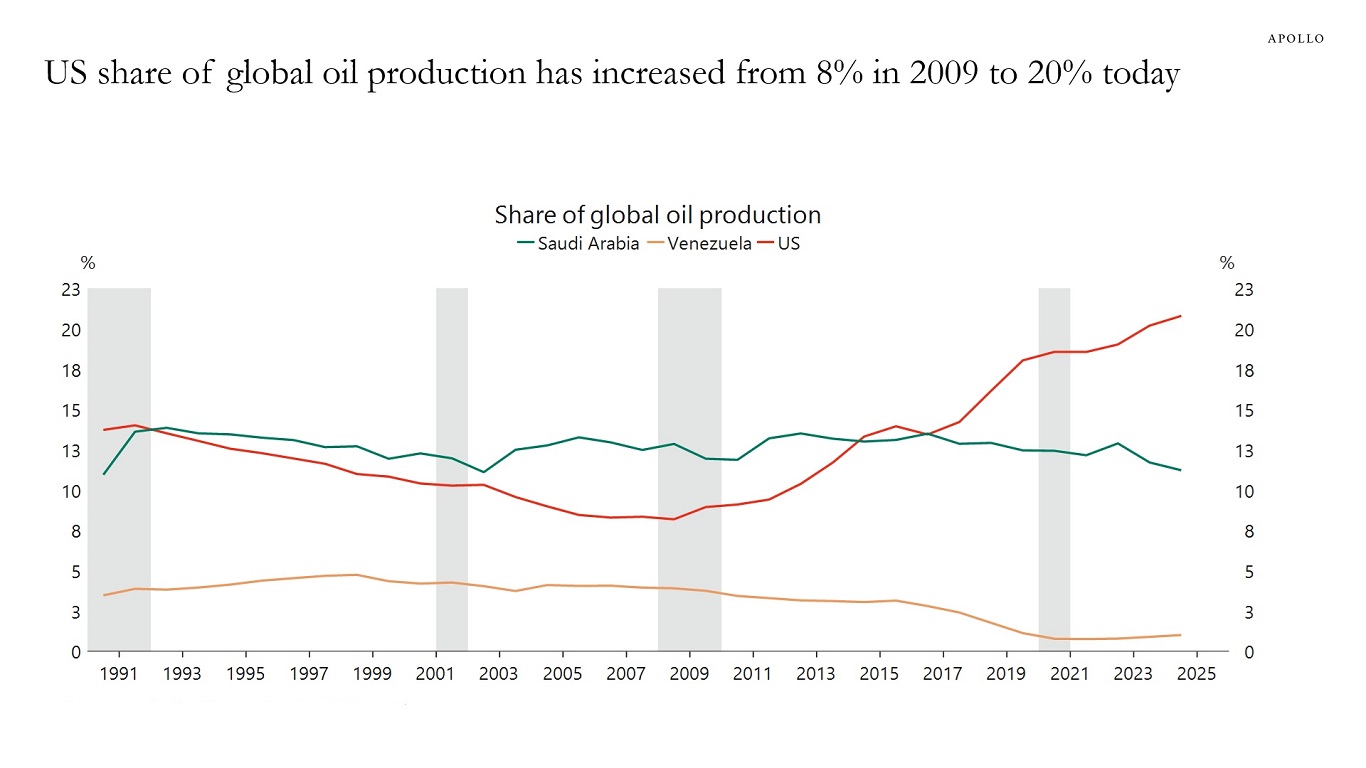
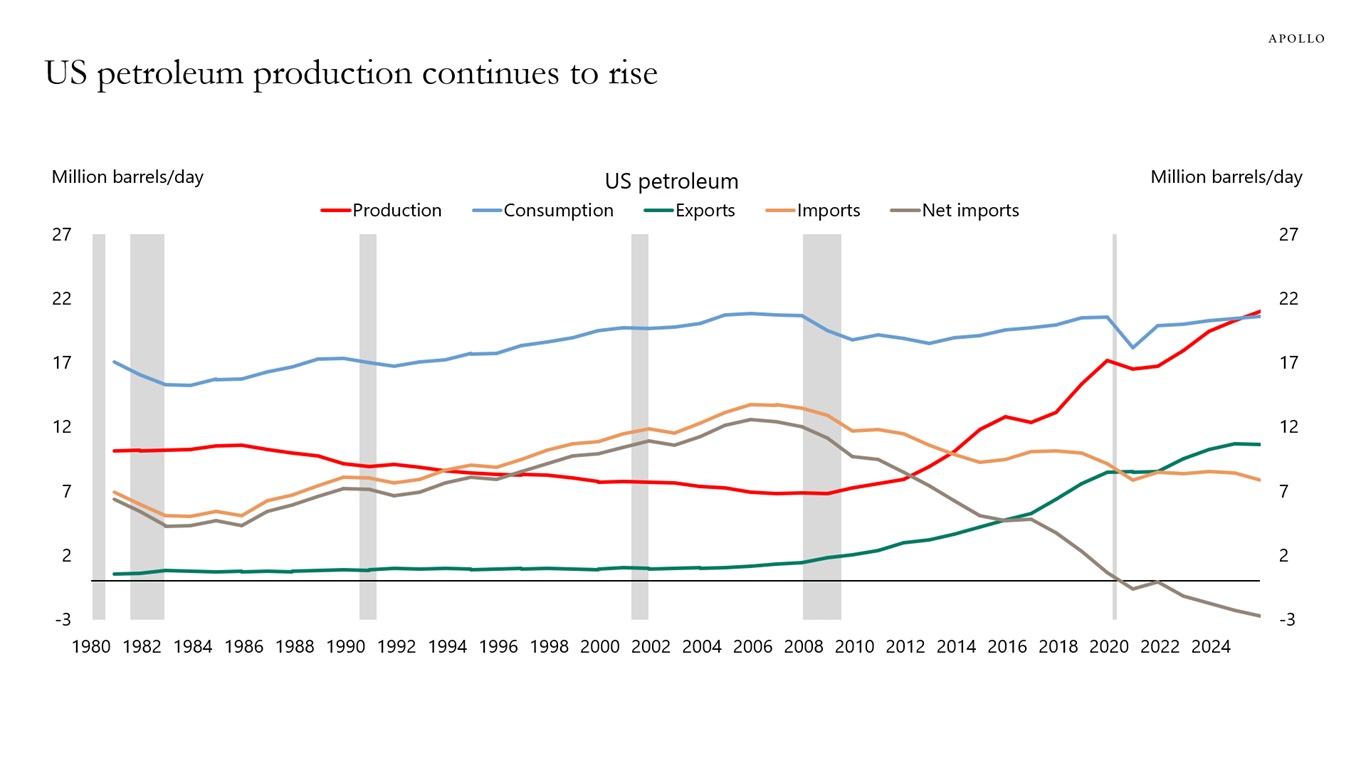
US oil production has increased dramatically over the past 15 years (see the first chart), and most of the rise is used for exports (see the second chart).
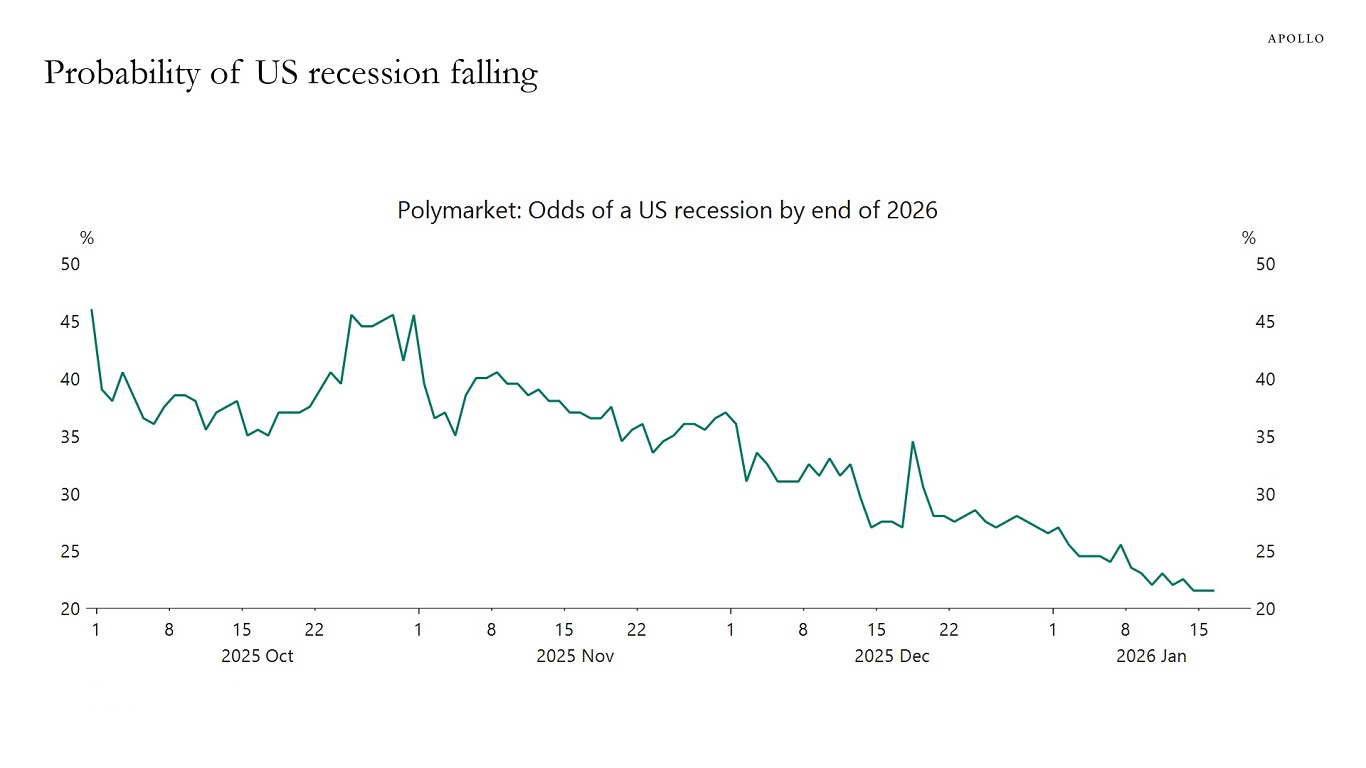
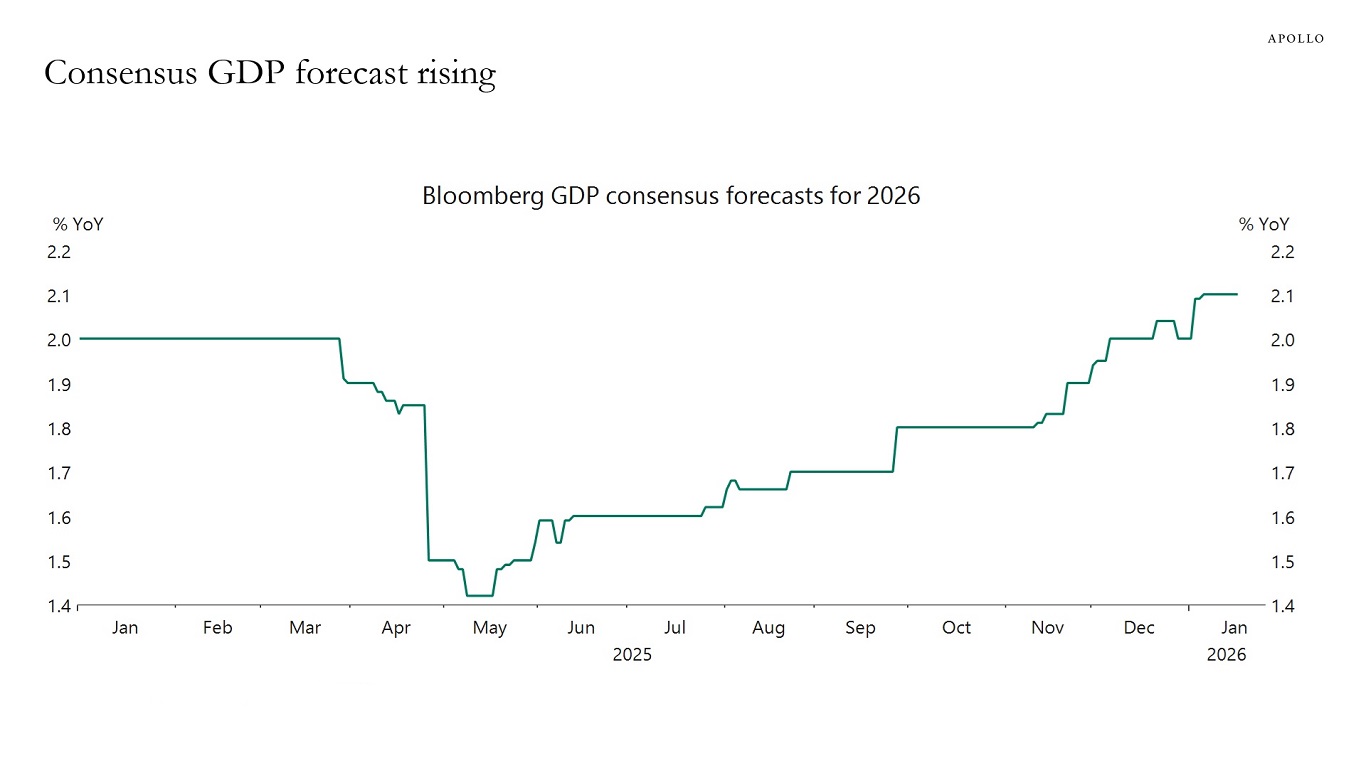
The probability of a recession in 2026 continues to decline, see the first chart, and the consensus continues to revise up the growth forecast for the year, see the second chart.
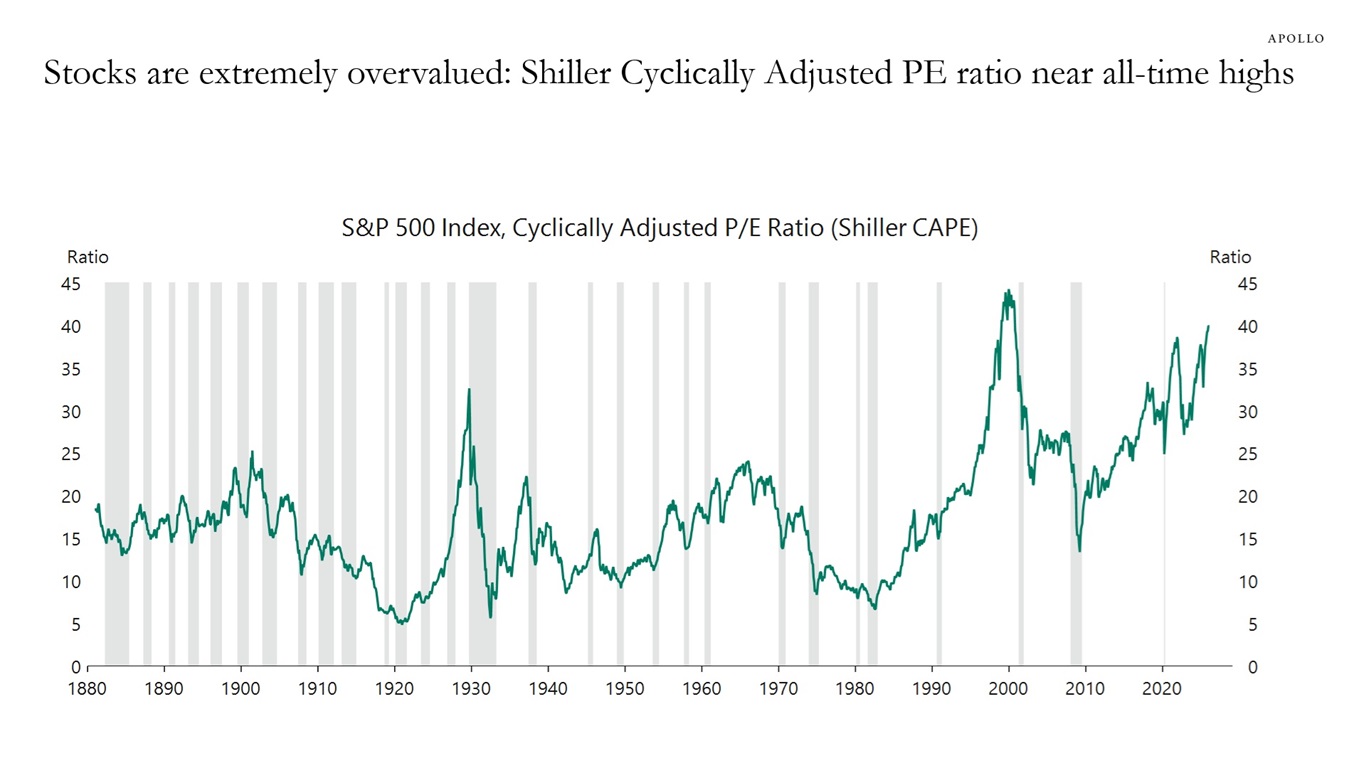
The cyclically adjusted price earnings ratio, also known as the Shiller P/E, is a stock market valuation measure that divides the current stock price by the average of the last 10 years’ inflation-adjusted earnings, thereby smoothing out business cycle volatility to assess long-term over/undervaluation and predict future returns. It provides a better gauge of sustainable earnings power than the traditional P/E ratio, which uses only one year’s earnings. The latest reading shows that equity valuations are near the highest levels since 1880, see chart below.